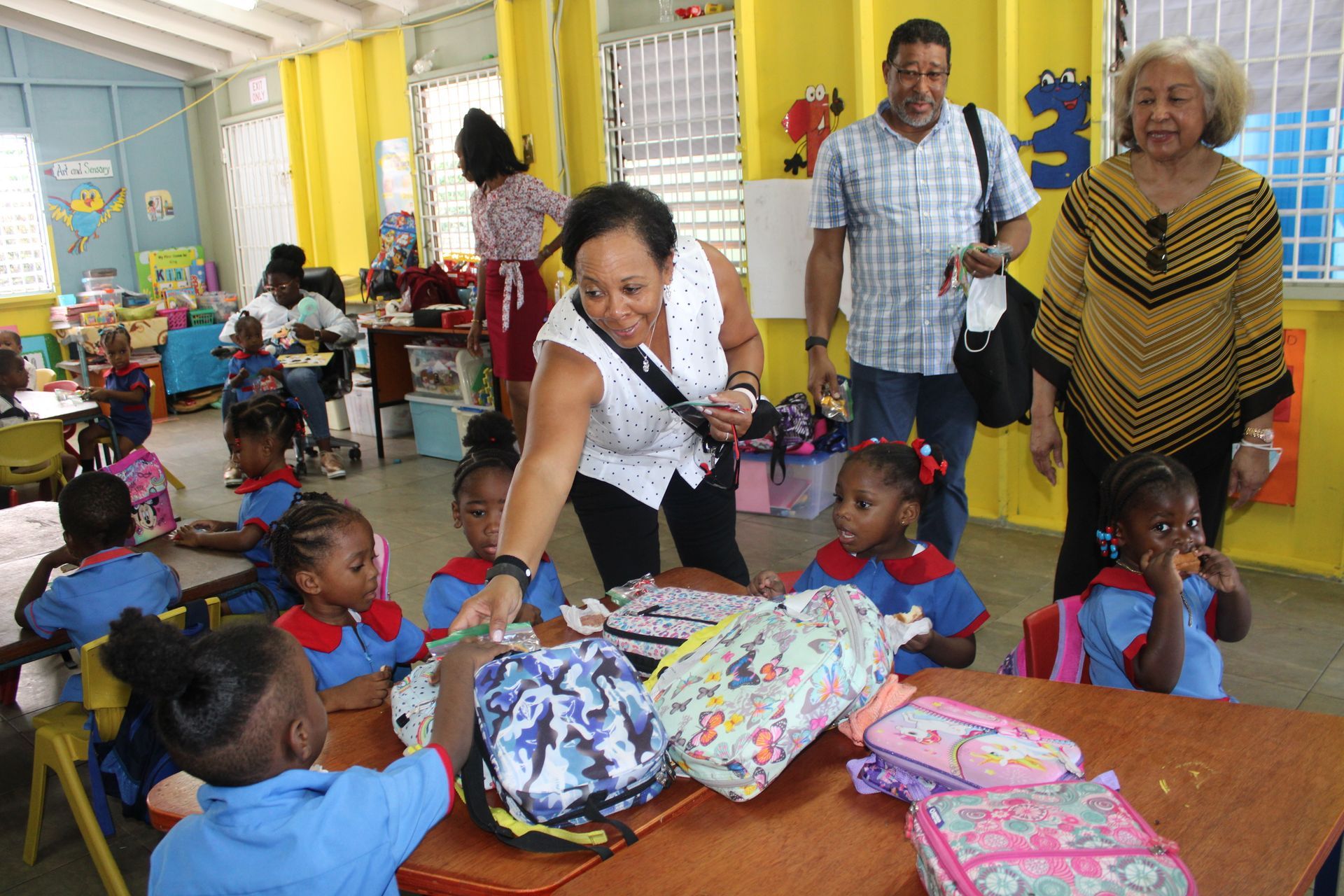
Why Donate to Jamaica Schools If Government Is Rebuilding?
If Jamaica is investing billions of dollars in school reconstruction, why should individuals still donate to Jamaica schools? Because government funding and private generosity do different but complementary work. Public investment can repair large-scale infrastructure across the education system, while donors, churches, nonprofits, and community partners can help address specific needs—equipment, learning resources, sanitation, technology, furnishings, and targeted projects—that determine whether a school is truly ready for children.
How much is Jamaica investing in school rebuilding?
The scale of Jamaica’s commitment is significant. In September 2026, the Ministry of Education, Skills, Youth and Information reported that 688 schools were damaged by Hurricane Melissa and that almost J$26 billion was being spent on repairs and reconstruction. The same month, the Ministry allocated J$714 million to its 2026/27 school-maintenance program, expected to benefit approximately 300 schools.
That is substantial public investment. It is also a reminder of the scale of the challenge. As of September 16, only 65 of 306 “priority-one” hurricane-damaged schools had been fully repaired, with many others still under construction or scheduled for later completion.
Why are Jamaica school donations still needed?
A repaired roof does not automatically mean a fully functioning school. Children may also need desks, books, computers, safe bathrooms, water systems, playgrounds, classroom equipment, or specialized learning resources. Schools may have urgent local priorities that fall outside a major reconstruction contract or must wait behind higher-priority structural work.
Jamaica’s own education system recognizes this complementary role. The Ministry’s Adopt-A-School program encourages partnerships with businesses, churches, civic groups, community members, and individuals to provide additional resources to schools. After Hurricane Melissa, the National Education Trust also called for donor and diaspora support, explaining that recovery includes not only infrastructure but essential resources and support for students and staff.
What can private donors do that large public programs may not?
Private giving can be targeted. A donor may help complete a computer lab, replace damaged furniture, restore sanitation facilities, equip a classroom, or support a specific school priority identified by local leaders.
That kind of giving does not replace government responsibility. It can help close practical gaps, accelerate a defined project, and respond to needs at the school level. UNICEF’s post-hurricane work in Jamaica offers a clear example of this layered approach: alongside government reconstruction, partners have supplied temporary learning spaces, learning kits, laptops, connectivity equipment, and water and sanitation support.
Why does a functioning school matter beyond the classroom?
A school is more than a school. A safe, equipped learning environment supports children first, but its effects can extend outward. Reliable schooling can help parents maintain work routines, give teachers the tools to serve students well, and provide a durable community asset that remains useful year after year.
That ripple effect is central to Christos Ministries’ approach: faith becomes generosity; generosity becomes infrastructure; infrastructure creates opportunity; and opportunity can strengthen families and communities. Christos emphasizes practical stewardship in which generosity becomes something visible and useful—a roof, classroom, sanitation system, computer lab, scholarship, desk, playground, or restored community asset.
How can you help schools in Jamaica wisely?
If you want to help schools in Jamaica, look for organizations that identify specific needs with local partners, explain what donations will fund, and report what was completed. The most responsible Jamaica school donations strengthen—not sidestep—the work already being done by government, educators, families, churches, and communities.
For Christos Ministries, Christian stewardship means putting love into action through practical service. The goal is not to be the hero of someone else’s story. It is to join people already working for their children and communities and help build something that lasts.
Build Hope With Us
Government investment matters. Community leadership matters. So does the generosity of people who choose to help finish the work.
Your gift to Christos Ministries can become something real: a safer classroom, stronger school infrastructure, educational equipment, a place where a child can learn, and an asset a community can rely on for years to come. That is the power of practical generosity—it can meet a defined need today while creating opportunity long after the original gift is made.
Donate to Christos Ministries and help build hope, opportunity, and stronger communities in Jamaica.
Frequently Asked Questions
Why should I donate to Jamaica schools if the government already funds education?
Government funding is essential, especially for major repairs, reconstruction, staffing, and system-wide education needs. Private donors can play a complementary role by helping address specific needs at individual schools, such as classroom equipment, furniture, technology, sanitation improvements, learning resources, and other targeted projects. The goal is not to replace government responsibility, but to help strengthen the places where public funding and local priorities meet.
What do donations to schools in Jamaica typically help provide?
Depending on the project, donations can help provide practical resources such as desks, books, computers, classroom equipment, safe bathrooms, water systems, playgrounds, scholarships, or repairs to school facilities. At Christos Ministries, the emphasis is on tangible support that helps create safe, equipped learning environments and gives donors a clear understanding of what their generosity is helping make possible.
How does Christos Ministries work with Jamaican schools and communities?
Christos Ministries approaches schools and communities as partners, not passive recipients. Local needs help shape the work, while donors, churches, volunteers, and other partners contribute resources that can help complete practical projects. The ministry focuses on building, equipping, restoring, and supporting educational environments so that children can learn and communities gain assets they can use and steward over time.
How can I support school rebuilding projects in Jamaica?
You can support Christos Ministries through donations that help turn practical needs into tangible results—such as classrooms, safer facilities, sanitation, equipment, and educational opportunities. The goal is for generosity to become something visible, useful, and lasting for children, families, and communities.