Children After Hurricane Melissa: Jamaica’s Long Road Back to Learning
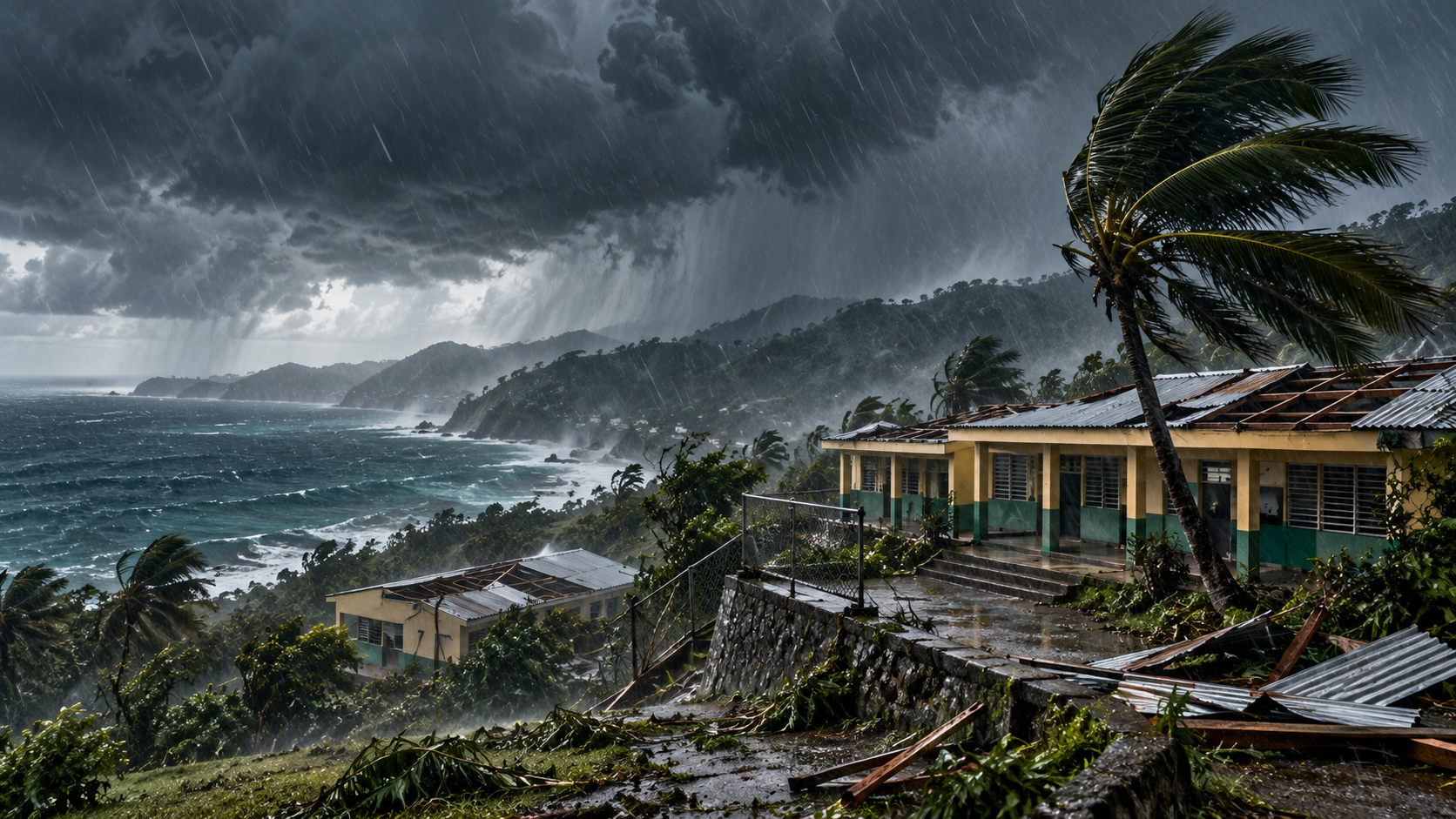
For children after Hurricane Melissa, returning to school has meant far more than reopening classroom doors. A major hurricane can interrupt education through damaged buildings, displaced families, lost supplies, unsafe roads, disrupted utilities, and emotional trauma. In Jamaica, Hurricane Melissa struck on October 28, 2025, and UNICEF reported that schooling was disrupted at more than 600 schools. Recovery has required temporary learning spaces, digital systems, repairs, replacement materials, and continued support for children and teachers.
Why does hurricane damage create a long-term education crisis?
The storm passes in hours. Educational recovery can take months or years. UNICEF documented widespread disruption to Jamaican schools, especially in communities already facing economic strain. By September 2026, Jamaica’s Ministry of Education reported that 688 schools had been damaged and 313 were severely affected.
On September 16, the Ministry reported that 65 of 306 Priority One schools had been fully repaired. Those numbers show why schools after a natural disaster cannot be restored simply by declaring them open. Some students return to buildings still under repair. Others may learn on rotation, in temporary spaces, or after relocating because their families were displaced.
How does school disruption affect children and families?
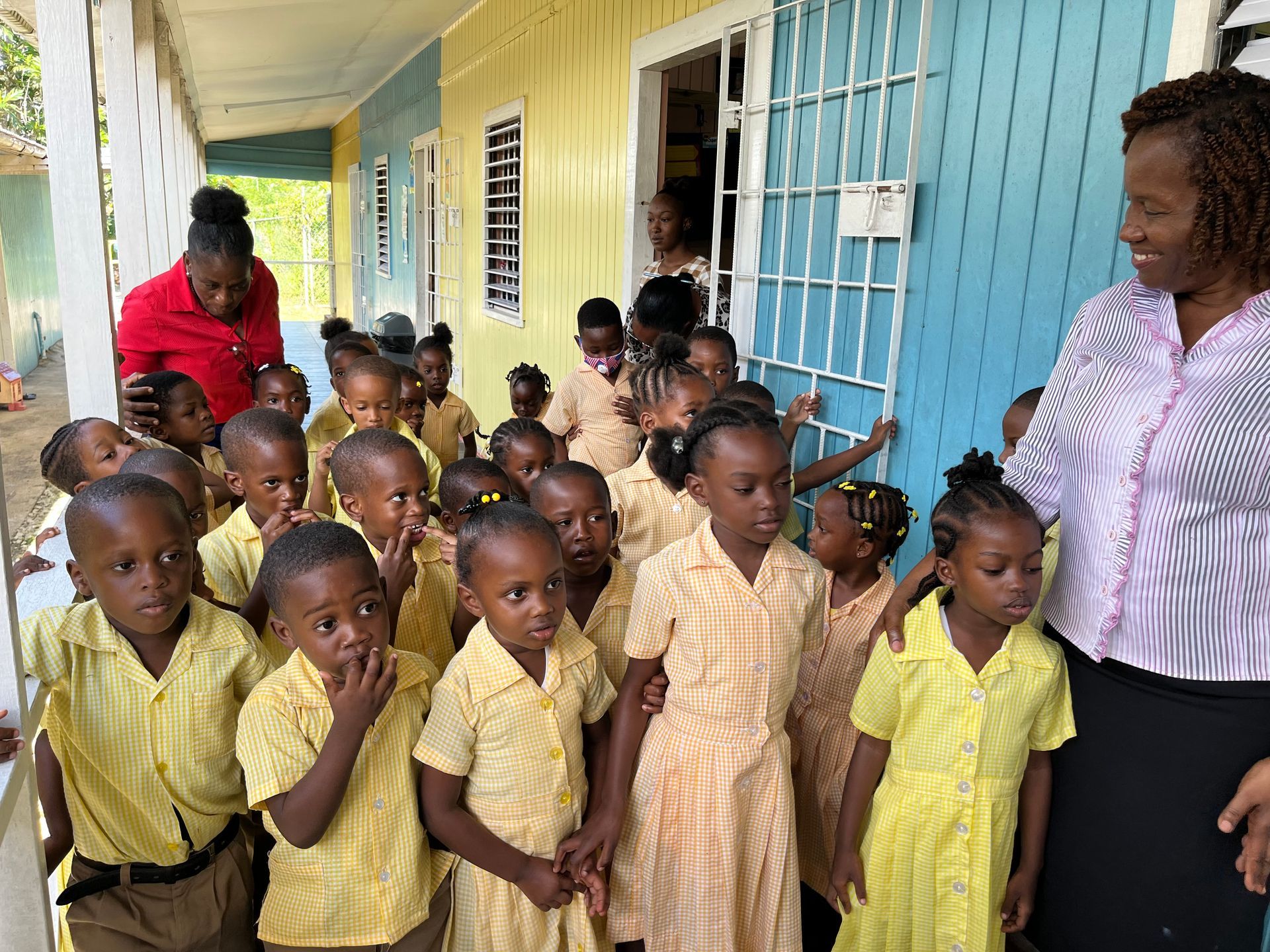
When a school cannot function normally, children lose more than instructional time. They can lose routine, trusted relationships, access to learning materials, reliable technology, and the sense of safety that comes from a familiar school day.
Families feel the disruption too. Parents may have to rearrange work or childcare when school schedules change. Teachers must improvise while managing the wider effects of the disaster themselves. That is why a school is more than a school. A functioning school supports children while also contributing to family routines, employment, and community stability.
What does rebuilding education after Hurricane Melissa require?
Physical reconstruction is essential, but rebuilding the building is only the beginning. UNICEF has supported temporary learning spaces and teaching materials, while Jamaica’s Education Management Information System has helped schools track attendance and reconnect with students. Recovery efforts have also included laptops, connectivity equipment, and learning resources for affected schools.
Emotional recovery matters because children do not leave a hurricane experience at the classroom door. UNICEF’s Return to Happiness program helps educators support children coping with stress, trauma, and loss. By September 2026, nearly 3,000 teachers across Jamaica had been trained in the methodology.
A repaired roof protects a classroom. A restored learning environment can also rebuild confidence, routine, connection, and readiness to learn.
Why does resilient school infrastructure matter?
Jamaica’s rebuilding effort is increasingly focused not only on repairing schools, but on making them stronger. The Ministry of Education has described Hurricane Melissa reconstruction as an opportunity to improve resilience so facilities are better prepared for future storms.
That can mean stronger structures, reliable sanitation and water, usable classrooms, technology, furniture, safe play areas, and systems that help education continue when normal routines are disrupted.
For Christos Ministries, this is where faith becomes practical. Christian stewardship is not only compassion felt; it is compassion put to work—turning generosity into places and resources that children, educators, families, and communities can depend on.
How can donors help children after Hurricane Melissa?
Recovery continues after the emergency headlines fade. Donors can help transform generosity into the practical pieces of education recovery: a repaired classroom, safe bathrooms, clean water, desks, computers, learning materials, or stronger school infrastructure.
Through Christos Ministries, giving can become something tangible and lasting. A safer school gives a child a place to learn. A dependable school can help a parent return to work. A restored facility can become an asset a community uses for years.
Donate to Christos Ministries and help build hope, opportunity, and stronger communities in Jamaica. Rebuilding the building is the beginning of recovery—not the end. Your generosity can help create the foundation children and families need to keep moving forward.
Frequently Asked Questions
How did Hurricane Melissa affect children’s education in Jamaica?
Hurricane Melissa disrupted schooling across hundreds of Jamaican schools by damaging buildings, interrupting utilities, displacing families, and limiting access to classrooms and learning materials. For many children, returning to school has required more than repairing physical damage; it has also meant rebuilding routine, stability, connection, and a sense of safety.
What do children need when returning to school after a hurricane?
Children need safe classrooms, reliable water and sanitation, learning materials, technology, functioning school facilities, and supportive teachers. They may also need emotional support as they process stress, loss, or displacement. A successful education recovery restores both the physical environment for learning and the stability children need to feel ready to learn again.
How can donations help rebuild schools and education in Jamaica?
Donations can help turn recovery plans into practical resources such as repaired roofs, classrooms, safe bathrooms, clean water systems, desks, computers, and educational materials. Through Christos Ministries, generosity can support tangible improvements that serve children today while strengthening schools, families, and communities for years to come.
How can I support school rebuilding projects in Jamaica?
You can support Christos Ministries through donations that help turn practical needs into tangible results—such as classrooms, safer facilities, sanitation, equipment, and educational opportunities. The goal is for generosity to become something visible, useful, and lasting for children, families, and communities.