Nearly a Year After Hurricane Melissa, How Many Jamaican Schools Still Need to Be Rebuilt?
Nearly a year after Hurricane Melissa, Jamaica is still rebuilding hundreds of school facilities. As of September 16, 2026, the Ministry of Education reported that 65 of 306 “priority-one” schools had been fully repaired, leaving 241 of the most seriously affected schools not yet fully restored. Earlier that month, the ministry said 688 schools had been damaged overall, including 313 severely damaged institutions. The key distinction is important: a school can reopen for classes while major repairs or reconstruction are still underway.
How many Jamaica schools are still rebuilding after Hurricane Melissa?
The clearest current answer is that more than 240 priority-one schools were still not fully repaired in mid-September 2026. The ministry’s September 16 update counted 306 priority-one schools and 65 fully repaired. It also reported that 93 more were between 80% and 99% complete, with another 26 of the most severely damaged schools targeted for completion by the end of December.
Public reporting is still evolving. A National Education Trust spreadsheet dated September 18 lists 308 priority-one schools, slightly more than the ministry’s September 16 narrative update. Google Docs That difference is a reminder that recovery figures can change as projects and completion categories are updated. The safest conclusion is that well over 240 of Jamaica’s most seriously damaged schools remained somewhere in the repair or rebuilding pipeline.
What does “repaired” versus “fully restored” actually mean?
A reopened school is not necessarily a fully restored school. In early September, the education ministry said all schools were expected to open even where repairs were incomplete. That can mean students and teachers return while roofing, classroom blocks, windows, electrical systems, sanitation, or other infrastructure still needs attention.
Some schools require rehabilitation; others need classroom blocks or entire facilities reconstructed. The National Education Trust says the goal is not simply to replace what Hurricane Melissa destroyed, but to rebuild to stronger standards through structural assessments and more resilient construction.
Why does Jamaica school rebuilding matter beyond the classroom?
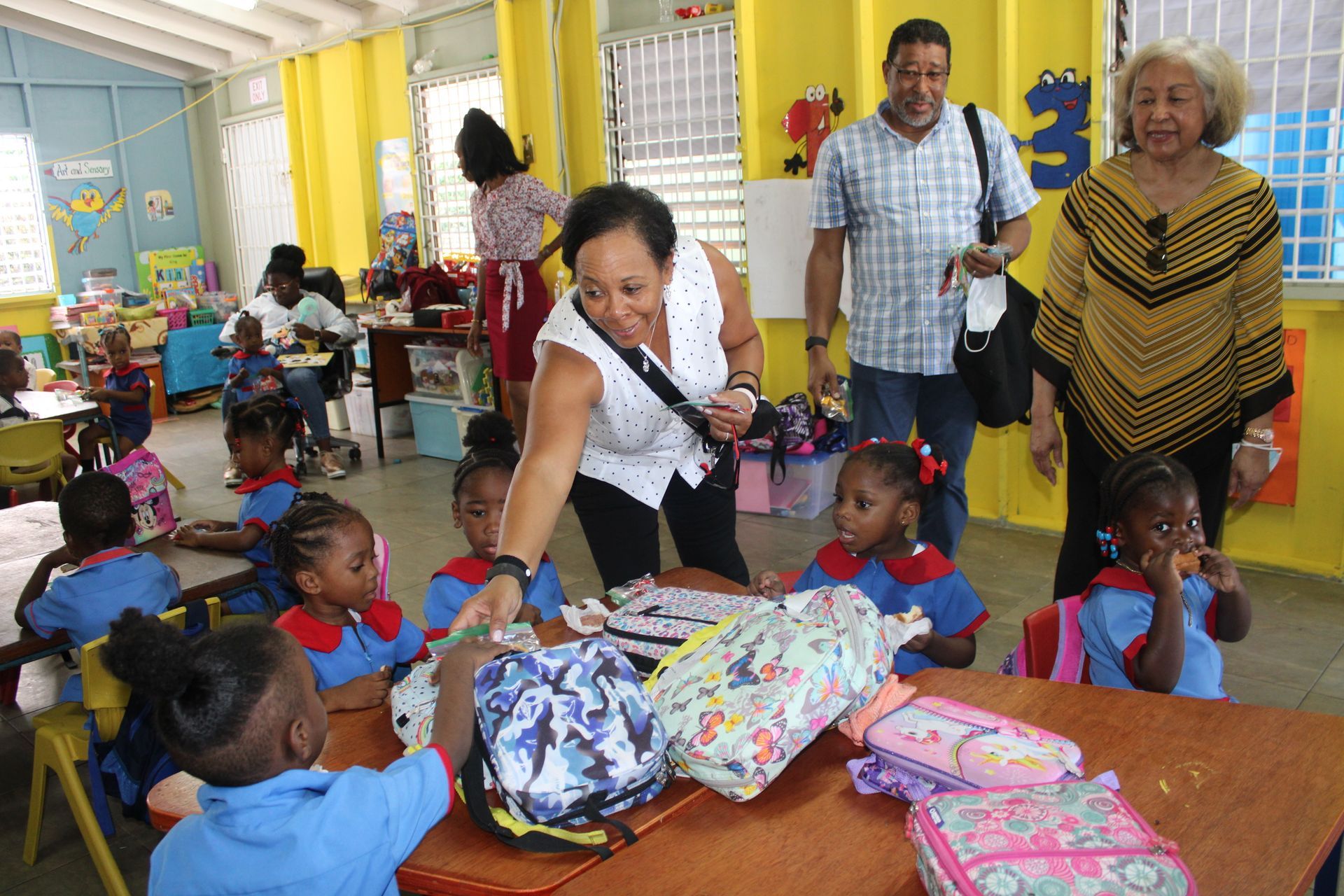
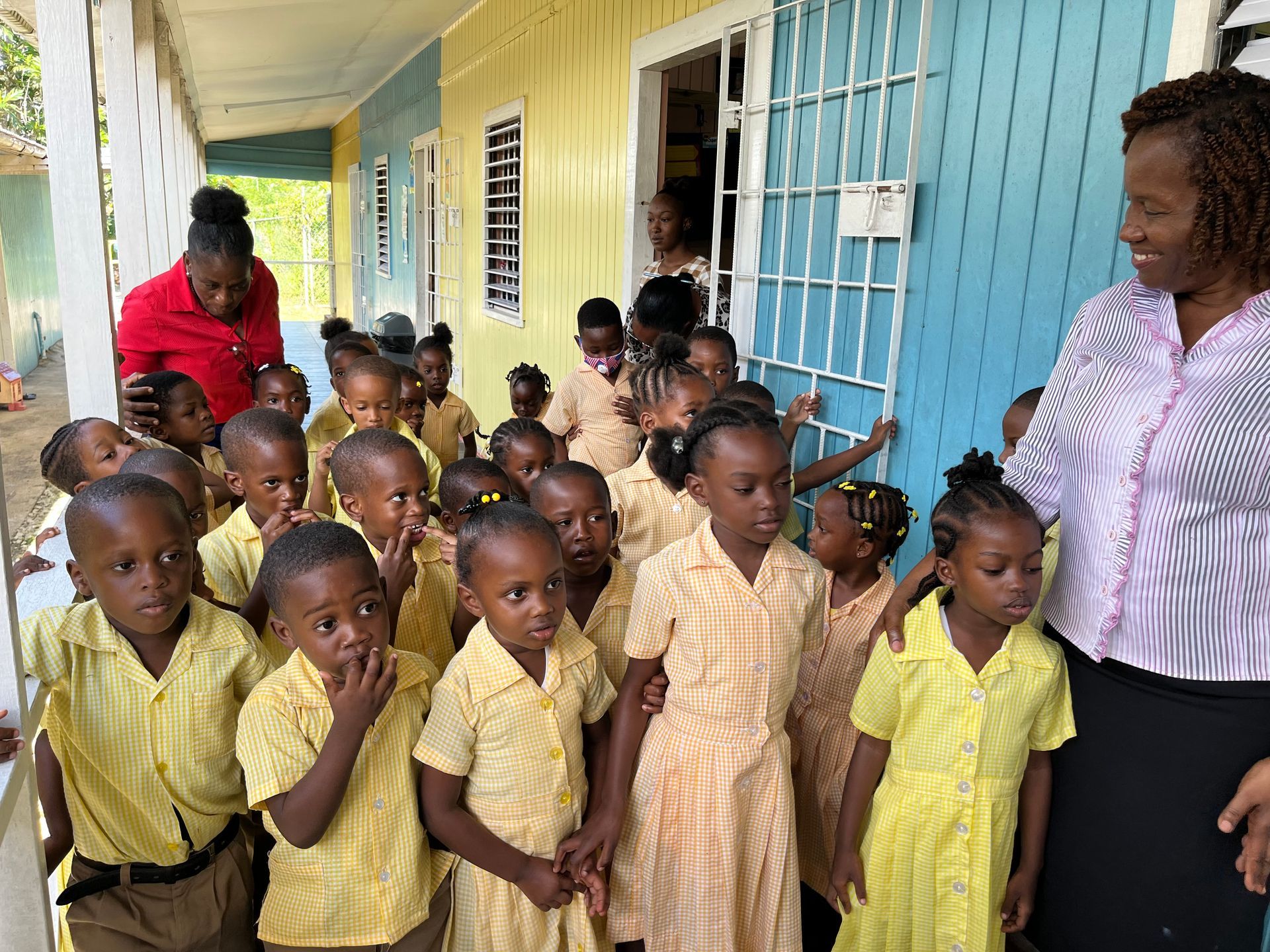
A school is more than a school. A safe, functioning learning environment can support a child’s education while also helping families maintain routines, parents remain at work, teachers teach effectively, and communities regain stability. Christos Ministries describes this ripple effect as practical infrastructure creating opportunity that can continue for generations.
That is why hurricane recovery in Jamaica is about more than reopening doors. It is about restoring a physical foundation that children, educators, families, and communities depend on every day.
What does rebuilding more resilient schools require?
Hurricane Melissa made landfall in southwestern Jamaica on October 28, 2025, as a Category 5 hurricane with estimated sustained winds of 185 mph. National Hurricane Center Nearly eleven months later, the rebuilding effort is increasingly focused on resilience, not simply replacement. New school-building standards introduced after the storm are guiding reconstruction. Engineers have conducted structural assessments, and some projects include rebuilding classroom blocks or whole facilities. moey.gov.jm In practical terms, resilience can mean stronger roofs, safer electrical systems, reliable water and sanitation, and classrooms better prepared for future storms.
How can Christos Ministries and donors help?
Christos Ministries turns Christian faith into practical service by building and restoring educational environments, supporting students, and strengthening communities. Its promise is simple: generosity should become something real, useful, measurable, and lasting. Hurricane restoration fits within that larger mission of building, equipping, restoring, and sustaining the community foundations people depend upon.
Recovery is happening, but the work is far from finished. Your generosity can become roofing, safer classrooms, bathrooms, clean water systems, desks, technology, or another piece of a school that children can rely on for years. Those improvements reach beyond a building: they give students a place to learn, teachers a place to serve, families greater stability, and communities an asset they can carry forward.
Donate to Christos Ministries and help build hope, opportunity, and stronger communities in Jamaica. Faith becomes tangible when compassion takes shape in something people can use—and when that gift keeps serving long after the rebuilding is complete.
Frequently Asked Questions About Jamaica School Rebuilding
How many schools in Jamaica were damaged by Hurricane Melissa?
The Jamaican Ministry of Education reported that 688 schools were damaged by Hurricane Melissa, with 313 classified as severely damaged. Recovery has included repairs, reconstruction, structural assessments, and upgrades designed to make school facilities more resilient to future storms.
How many Jamaican schools were still not fully repaired in September 2026?
As of September 16, 2026, 65 of Jamaica’s 306 priority-one schools had been fully repaired, meaning 241 priority-one schools had not yet reached full completion. Of those, 93 were reported to be between 80% and 99% complete, while some of the most heavily damaged facilities required more extensive rebuilding.
Does reopening a school mean hurricane repairs are finished?
No. A school can reopen for students while repairs or reconstruction are still underway. Jamaica’s Ministry of Education said schools were expected to reopen even where work was incomplete. Some projects involve relatively straightforward repairs, while others require reconstructed classroom blocks or, in certain cases, entire facilities.
Why is Jamaica rebuilding some schools differently after Hurricane Melissa?
Jamaica is using the recovery effort to create more resilient school infrastructure rather than simply replacing what existed before the storm. New building standards introduced in December 2025 are guiding reconstruction, and engineers have conducted structural assessments to determine what each school needs. In some locations, this includes features such as concrete slab roofs and redesigned facilities.
How can donors help rebuild schools and communities in Jamaica?
Donors can help support practical needs such as classrooms, roofing, sanitation, water systems, furniture, technology, and other infrastructure that makes education possible. For Christos Ministries, that reflects a larger principle: a functioning school can support children, working families, educators, and the stability of the surrounding community—not simply provide four walls for learning.
Donate to Christos Ministries and help turn generosity into safe learning environments, lasting opportunity, and stronger communities in Jamaica.
How can I support school rebuilding projects in Jamaica?
You can support Christos Ministries through donations that help turn practical needs into tangible results—such as classrooms, safer facilities, sanitation, equipment, and educational opportunities. The goal is for generosity to become something visible, useful, and lasting for children, families, and communities.