Hurricane-Resistant Schools in Jamaica: What It Takes
Building hurricane-resistant schools in Jamaica takes more than replacing a damaged roof. A truly resilient school is designed as a connected system: a strong structure and roof, protected windows and doors, effective drainage, dependable water and sanitation, safer electrical systems, reliable connectivity, and a plan for ongoing maintenance. The goal is not to make a school “hurricane-proof,” but to reduce damage, protect children and staff, and help learning resume faster after a storm.
Why Do Hurricane-Resistant Schools in Jamaica Matter?
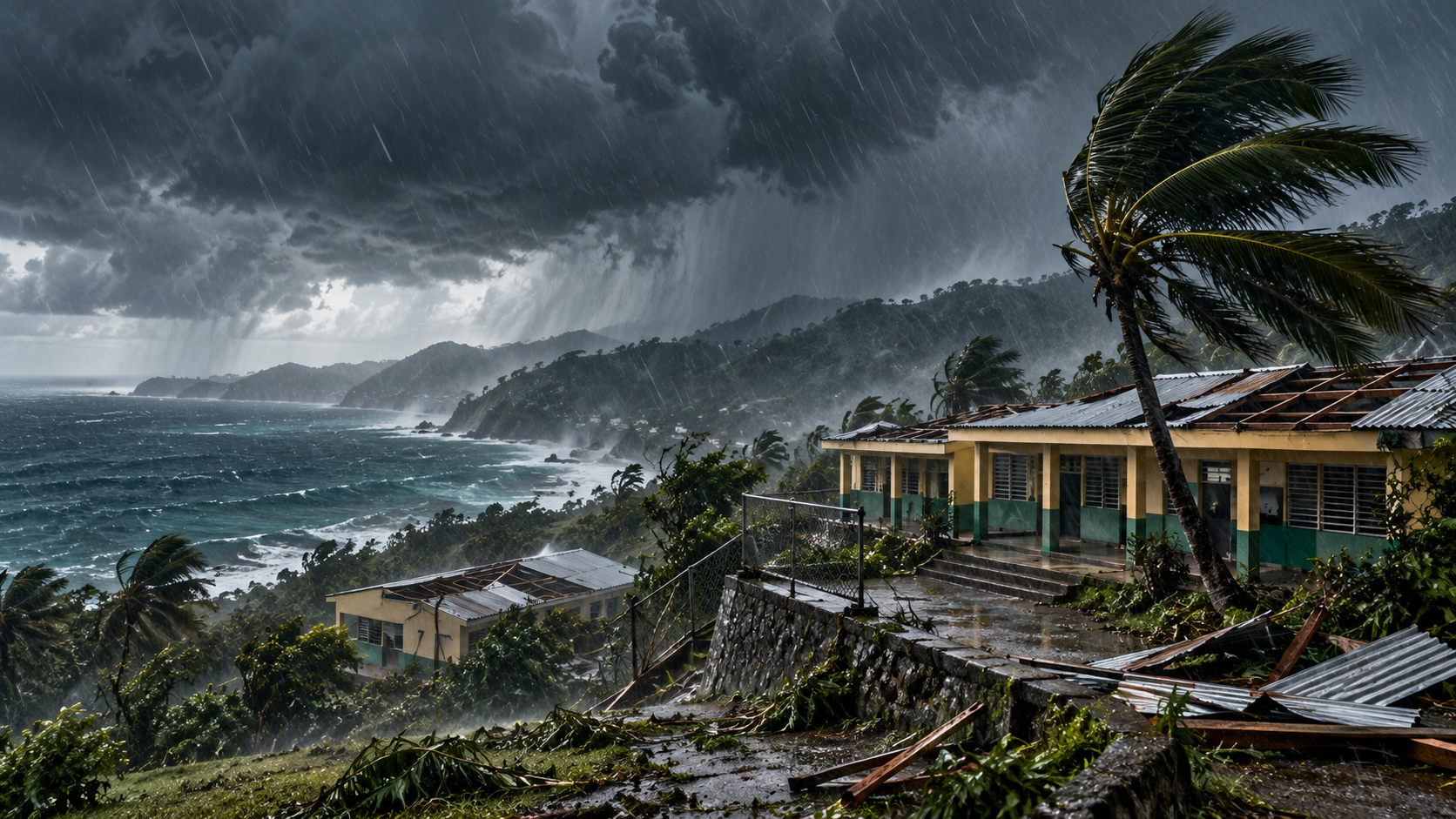
Hurricane Melissa showed how deeply a major storm can disrupt education. Jamaica’s Ministry of Education reported that 688 schools were damaged, including 313 that were severely damaged. The government has described reconstruction as an opportunity to make schools stronger rather than simply restore what existed before.
When a school closes, the effect reaches beyond the classroom. Children lose routine and learning time. Parents may have fewer dependable options for childcare while they work. Teachers lose functional spaces and materials. In communities where schools also serve as gathering points or emergency resources, the disruption can travel even further.
What Does Resilient School Construction in Jamaica Require?
Resilience begins with the building envelope and structure. Jamaica’s National Education Trust has said post-Melissa reconstruction is moving toward slab roofs and other reinforced structures. In practice, resilient design may also include properly secured roofing, protected openings, structural reinforcement, and site-specific engineering based on wind, flooding, slope, and drainage risks.
Drainage matters because a building can survive high winds and still be damaged by water. Good site grading, clear drains, and water-management systems help move rainfall away from classrooms and foundations.
Water, sanitation, and power are equally important. UNICEF’s work in Jamaica has emphasized restoring water, sanitation and hygiene systems and strengthening water storage after hurricanes. A school cannot fully function if children return to classrooms without safe bathrooms, handwashing, clean water, electricity, or basic communications.
What Can Christos Ministries’ School Projects Teach Us?
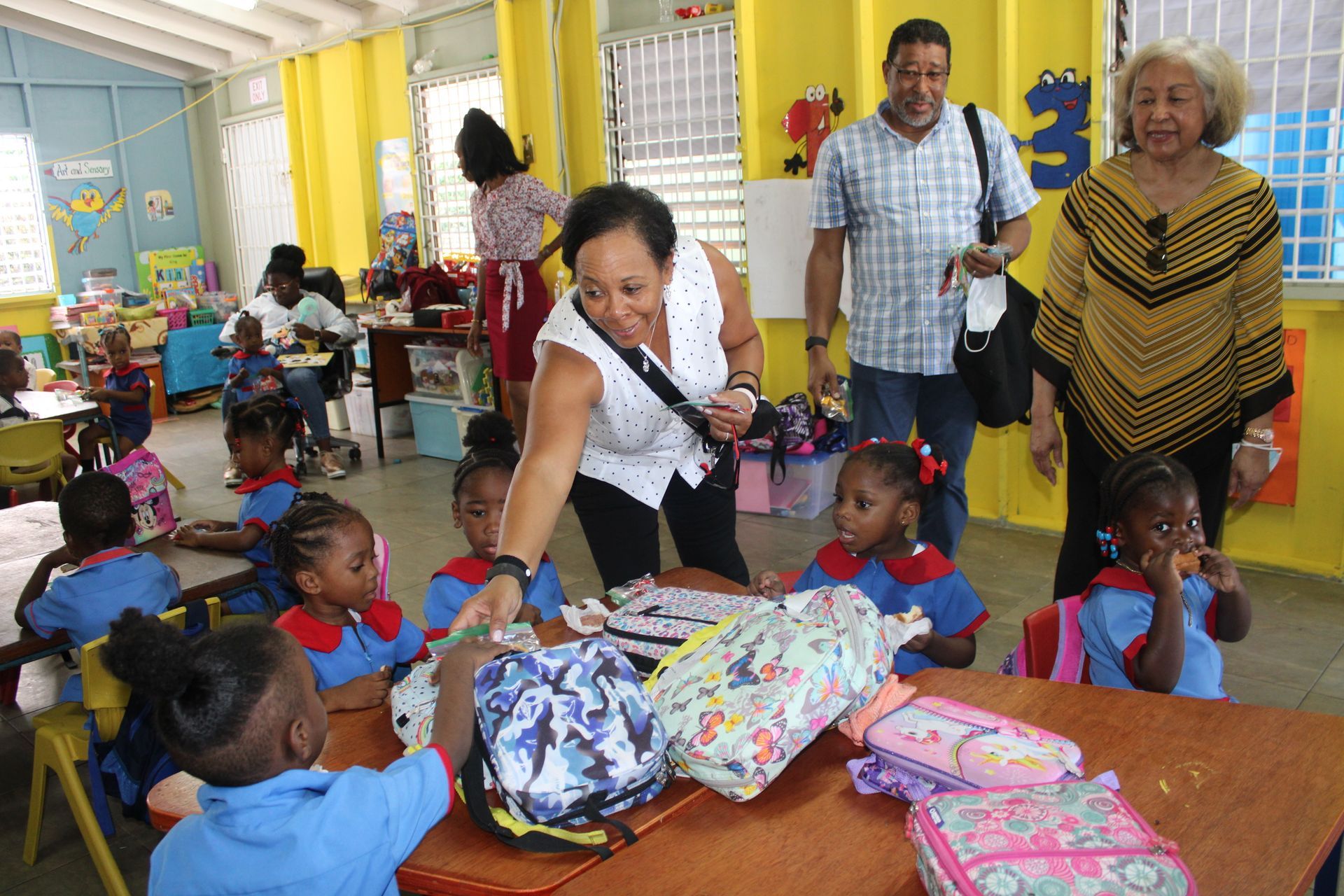
Christos Ministries has already supported school infrastructure that reflects this wider view of what a functioning school needs. At St. Robert Bellarmine Preparatory School in Chapelton, the completed project included four classrooms, student and faculty bathrooms, a kitchen, playground, exterior fencing, and a rainwater harvesting and storage system.
That matters because resilience is not one construction feature. It is the ability of the whole learning environment to keep serving children and families. A rainwater system supports continuity. Sanitation protects health. Fencing supports safety. Classrooms relieve overcrowding. A playground gives young children room to develop and belong.
How Does a Stronger School Strengthen a Community?
A school is more than a school. A reliable facility can give children a stable place to learn, support family routines, help parents remain at work, and become a durable community asset. Christos Ministries describes the larger progression as faith becoming generosity, generosity becoming infrastructure, and infrastructure creating opportunity that can strengthen families and communities over time.
That is why efforts to rebuild schools in Jamaica after a hurricane should not be limited to replacing what was lost. When possible, reconstruction can correct vulnerabilities, improve essential systems, and create facilities better prepared for the next storm.
How Can Donors Help Rebuild Schools in Jamaica?
Christian stewardship becomes especially meaningful when compassion takes practical form. A donation can help fund the pieces that make a resilient school usable: roofing, reinforced construction, bathrooms, clean-water systems, electrical work, connectivity, desks, fencing, or learning spaces.
For Christos Ministries, the invitation is not simply to repair damage. It is to help build something that can keep serving children, educators, families, and communities for years to come.
Build Hope With Us
Your generosity can become something real: a stronger roof, a safer classroom, clean water, functioning bathrooms, reliable power, or a learning space designed to stand up better to future storms. Those investments do more than repair a building. They help protect educational opportunity and give families and communities a stronger foundation for everyday life. Donate to Christos Ministries and help build hope, opportunity, and stronger communities in Jamaica—one practical, lasting piece of infrastructure at a time.
Frequently Asked Questions
What makes a school hurricane-resistant in Jamaica?
A hurricane-resistant school is designed to reduce damage from high winds, heavy rain, flooding, and related storm impacts. Resilience can include stronger roofing and structural systems, protected windows and doors, effective drainage, reliable water storage, safe sanitation, secure electrical systems, and ongoing maintenance. The goal is not to make a building indestructible, but to help it remain safer and return to service more quickly after severe weather.
Why are water storage and sanitation important for resilient schools?
A school cannot function safely without dependable water and sanitation. Hurricanes can interrupt public water supplies, damage plumbing, and make normal hygiene difficult. Rainwater harvesting, water storage, functioning bathrooms, and handwashing facilities can help schools maintain essential services and recover more effectively. Christos Ministries has incorporated practical infrastructure such as bathrooms and rainwater harvesting and storage into school projects in Jamaica.
Why does rebuilding a school after a hurricane matter to the whole community?
A functioning school affects more than education. It provides children with a stable place to learn, supports teachers, helps families maintain daily routines, and can make it easier for parents to continue working. Schools may also serve as important gathering places and long-term community assets. That is why restoring educational infrastructure can create a ripple effect that reaches children, families, and the wider community.
How can donations help build hurricane-resilient schools in Jamaica?
Donations can help turn specific infrastructure needs into lasting improvements, including stronger roofs, safer classrooms, drainage systems, bathrooms, clean-water storage, electrical work, fencing, desks, technology, and other essential school facilities. Through Christos Ministries, collective generosity can become practical infrastructure that supports educational opportunity today while helping communities prepare more thoughtfully for future storms.
How does Christos Ministries approach school construction in Jamaica?
Christos Ministries focuses on turning Christian faith into practical service by building, restoring, and equipping educational environments. The ministry works to address tangible needs while treating local schools and communities as partners in the process. Its guiding idea is simple: a school is more than a school. Investment in educational infrastructure can create opportunity for children while strengthening families and communities for years to come.
How can I support school rebuilding projects in Jamaica?
You can support Christos Ministries through donations that help turn practical needs into tangible results—such as classrooms, safer facilities, sanitation, equipment, and educational opportunities. The goal is for generosity to become something visible, useful, and lasting for children, families, and communities.